
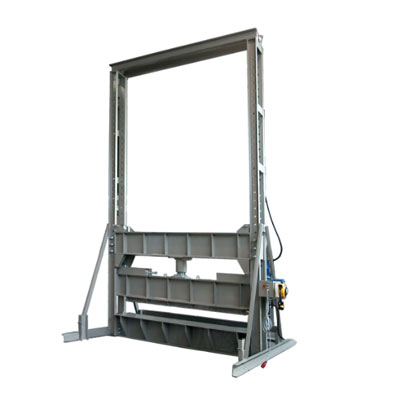
Concrete Pipe Testing Machines Price in Bangladesh
Concrete pipe testing machines are essential laboratory systems for evaluating the strength and structural performance of concrete pipes, making Concrete Pipe Testing Machines Price in Bangladesh a relevant search for civil engineers, construction companies, testing laboratories, consultants, and infrastructure organizations. These machines provide a controlled testing environment for applying loads to concrete pipe specimens and observing their response. Proper testing helps engineers assess product quality, structural capacity, cracking behavior, and overall performance. A reliable machine should offer a rigid testing frame, stable specimen positioning, controlled load application, and suitable measurement arrangements. Durable construction and straightforward operation are also important for laboratories that perform regular concrete product testing.
Importance of Concrete Pipe Testing
Concrete pipes are widely used in drainage, sewerage, culvert, stormwater, and other infrastructure applications. Their ability to withstand applied loads is an important consideration during manufacturing and quality control. Concrete pipe testing machines allow engineers to evaluate pipe performance under controlled laboratory conditions. Testing can help identify weaknesses in manufacturing, material consistency, reinforcement arrangement, or curing quality. Proper evaluation supports product quality and provides useful information for engineering decisions. A suitable testing machine should provide a stable arrangement that allows the pipe specimen to be positioned correctly and tested according to the applicable procedure.
Concrete Pipe Load Testing Equipment
Load testing is an important part of evaluating concrete pipe performance. A concrete pipe testing machine applies a controlled load to the specimen while engineers observe its response. The testing arrangement should distribute the applied load appropriately and maintain stable specimen positioning throughout the procedure. A rigid frame helps reduce unwanted movement during testing. Measurement equipment can also be integrated to observe load and deformation characteristics according to the required testing method. Reliable load testing equipment is useful for manufacturers, quality control laboratories, research organizations, and construction material testing facilities. Proper operation and specimen preparation are essential for obtaining meaningful test results.
Applications in Civil Engineering Laboratories
Concrete pipe testing machines are used in a wide range of civil engineering laboratories and construction material testing facilities. They can support quality control for manufacturers producing drainage and sewer pipes as well as laboratories working on infrastructure projects. Universities and research institutions may also use such equipment for concrete product development and material studies. Contractors and consultants can benefit from laboratory testing when verifying the quality of supplied concrete pipes. The equipment can be part of a broader laboratory system that includes concrete testing, aggregate testing, cement testing, and other construction material evaluation equipment.
Testing Concrete Pipe Strength
Strength evaluation is a key purpose of concrete pipe testing. The testing process allows engineers to assess how a pipe responds to controlled external loading. The observed behavior can provide information about structural performance, cracking, deformation, and load carrying capability. Proper specimen alignment is important because uneven positioning can influence the applied load and test response. The machine should provide sufficient rigidity and a suitable loading arrangement for the intended pipe type. Engineers should follow the applicable testing standard and manufacturer recommendations when conducting tests. Results should be reviewed by qualified professionals who understand the material properties and project requirements.
Testing Structural Performance of Pipes
Concrete pipe testing is not limited to basic strength evaluation. Engineers may also be interested in the pipe's behavior under loading, crack development, deformation, and overall structural response. A suitable testing machine provides a controlled platform for observing these characteristics. This information can help manufacturers improve product consistency and assist engineers in evaluating whether a concrete pipe is suitable for its intended application. Testing conditions should be carefully controlled to maintain consistency between specimens. Reliable equipment combined with proper testing procedures can support repeatable laboratory practices and improve confidence in the resulting observations.
Durable Construction and Machine Stability
Durability is an important factor when selecting a concrete pipe testing machine. Laboratory equipment may be subjected to repeated loading and regular handling of heavy concrete specimens. The main frame should be rigid and constructed from suitable materials to provide long term mechanical stability. Loading components, supports, fixtures, and other mechanical parts should be designed for repeated laboratory operation. Proper surface finishing can also help protect components from normal environmental effects. A durable testing machine can reduce maintenance requirements and help laboratories maintain consistent testing activities. Regular inspection and proper maintenance remain necessary even when equipment has robust construction.
Precision and Reliable Load Application
Reliable load application is essential for concrete pipe testing. The machine should provide controlled movement and stable loading throughout the test procedure. Unwanted vibration, misalignment, or mechanical instability can affect the testing process and potentially influence the observed response. Measurement systems should be appropriate for the intended application and maintained according to recommended procedures. The testing frame should also remain stable while the specimen is subjected to load. Proper equipment calibration and routine inspection can support reliable operation. Laboratory personnel should use established procedures to ensure that each test is performed consistently and safely.
Selection of Concrete Pipe Testing Machines
Selecting a suitable concrete pipe testing machine requires consideration of the laboratory's testing requirements. Engineers should evaluate the type of concrete pipes to be tested, specimen dimensions, loading arrangement, measurement requirements, testing frequency, and available laboratory space. Machine compatibility with existing equipment may also be important. Construction quality, frame rigidity, ease of operation, maintenance requirements, and technical support should be considered before procurement. Buyers should review technical documentation and confirm that the machine is appropriate for the required testing method. A professional supplier can provide guidance on selecting a suitable configuration for the laboratory's intended applications.
Benefits for Concrete Pipe Manufacturers
Concrete pipe manufacturers can use testing machines as part of their quality control process. Regular testing helps manufacturers monitor product consistency and identify variations in material or production quality. Test results can support internal quality assurance and product development activities. Testing may also help manufacturers evaluate changes in concrete mix design, reinforcement arrangements, curing procedures, or production methods. A reliable machine allows quality control personnel to conduct testing in an organized and repeatable manner. Proper documentation of test results can further support manufacturing records and quality management practices.
Use in Infrastructure Development
Concrete pipes are important components in drainage, sewerage, water management, and infrastructure systems. Their structural performance can influence the reliability of the overall installation. Testing equipment helps engineers and manufacturers evaluate pipe quality before products are used in construction projects. Reliable laboratory testing can be particularly useful for projects involving roads, urban drainage systems, industrial developments, residential infrastructure, and municipal works. By evaluating concrete pipe performance under controlled conditions, engineers can obtain information that supports material selection and quality assurance. Testing should always be carried out according to the relevant technical requirements for the intended application.
Ease of Operation and Laboratory Workflow
A practical testing machine should be easy for trained laboratory technicians to operate. Convenient specimen positioning, accessible controls, stable loading components, and clear measurement arrangements can help improve workflow. Equipment that is straightforward to set up can reduce unnecessary preparation time and help technicians maintain consistent procedures. Safety should also be considered when handling heavy concrete pipe specimens. The laboratory should provide appropriate lifting, positioning, and operating practices based on the equipment design. Clear operating instructions and proper technician training can improve both productivity and safe equipment use.
Maintenance of Concrete Pipe Testing Machines
Regular maintenance helps preserve the performance of concrete pipe testing machines. The frame, loading system, supports, fixtures, and measurement components should be inspected regularly for wear, damage, corrosion, or alignment issues. Concrete dust and debris should be removed from the equipment after testing to prevent unnecessary mechanical problems. Moving parts should be maintained according to the manufacturer's recommendations. Measurement and load systems should also receive appropriate inspection and calibration. Proper maintenance records can help laboratories identify recurring issues and plan servicing activities. Good maintenance practices can extend equipment service life and reduce unexpected interruptions in testing operations.
Concrete Pipe Testing in Bangladesh
Concrete pipe manufacturers, civil engineering laboratories, contractors, consultants, and infrastructure organizations in Bangladesh can benefit from dependable concrete pipe testing equipment. Local testing facilities may use these machines to support drainage, sewerage, road, building, and municipal infrastructure projects. When selecting equipment in Bangladesh, buyers should consider the laboratory environment, intended testing applications, technical support, installation requirements, and availability of replacement components. Professional supplier assistance can make equipment selection and commissioning more convenient. Suitable testing equipment can help local laboratories strengthen their quality control capabilities and provide reliable engineering test services.
Supplier Support and Equipment Procurement
Supplier expertise is valuable when purchasing specialized laboratory testing equipment. A dependable supplier should provide accurate technical information and explain how the machine is intended to be used. Technical support may also be required during installation, commissioning, operator training, maintenance, and troubleshooting. Buyers should verify equipment compatibility and testing requirements before procurement. Documentation should be available for operation and maintenance purposes. For organizations in Bangladesh, local technical support can provide practical advantages when equipment requires servicing or replacement components. Choosing a supplier with knowledge of civil engineering laboratory applications can help ensure that the selected machine meets the laboratory's operational requirements.
Concrete Pipe Testing Machines Price in Bangladesh
The Concrete Pipe Testing Machines Price in Bangladesh can vary depending on machine configuration, technical specifications, frame construction, loading system, measurement arrangement, accessories, brand, and supplier support. Laboratories should assess the complete technical requirements before selecting a machine. Important considerations include durability, load stability, specimen compatibility, ease of operation, maintenance, measurement reliability, and after sales service. Instead of focusing only on procurement cost, buyers should consider the long term suitability of the equipment for their testing workload. Consulting an experienced supplier can help organizations identify an appropriate testing machine for their specific concrete pipe testing applications.
Reliable Concrete Pipe Testing Solutions
Concrete pipe testing machines provide an important solution for evaluating the quality and structural performance of concrete pipes. Their rigid construction, controlled loading capability, stable specimen positioning, and suitable measurement arrangements make them valuable for professional testing laboratories. Proper equipment selection and maintenance can support efficient testing and long term laboratory performance. Organizations searching for Concrete Pipe Testing Machines Price in Bangladesh should consider testing requirements, equipment durability, technical compatibility, laboratory workflow, and supplier support. With suitable testing equipment and proper engineering procedures, laboratories can strengthen quality assurance and support reliable concrete pipe evaluation for construction and infrastructure applications.