
MoE Accessories and Compressometers Price in Bangladesh
MoE accessories and compressometers are essential laboratory equipment for soil testing and geotechnical analysis, making MoE Accessories and Compressometers Price in Bangladesh a relevant search for civil engineers, testing laboratories, contractors, consultants, and educational institutions. These products support controlled laboratory procedures for evaluating soil behavior, deformation, compression, and related engineering characteristics. Compressometers provide a stable testing arrangement for observing specimen deformation under controlled loading conditions, while compatible accessories help complete the testing setup. Selecting suitable equipment requires attention to construction quality, compatibility, mechanical stability, usability, and long term laboratory performance.
Importance of MoE Accessories in Geotechnical Laboratories
MoE accessories are designed to support different soil testing arrangements and laboratory procedures. They can include specimen support components, loading arrangements, fixtures, frames, measuring accessories, and other parts required for proper equipment operation. The quality and compatibility of these components can influence the stability and efficiency of laboratory testing. Properly designed accessories help technicians prepare and conduct tests in an organized manner. They should fit correctly with the associated testing equipment and provide reliable mechanical performance during regular use. For professional laboratories, durable accessories can also simplify maintenance and help maintain consistent testing procedures over an extended period.
Compressometers for Soil Compression Testing
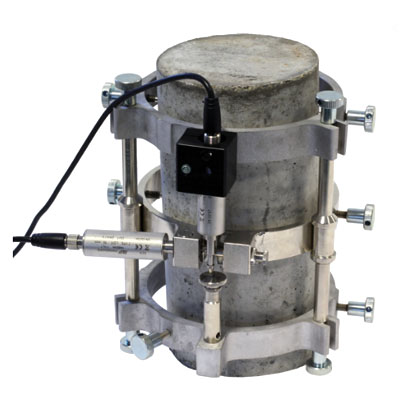
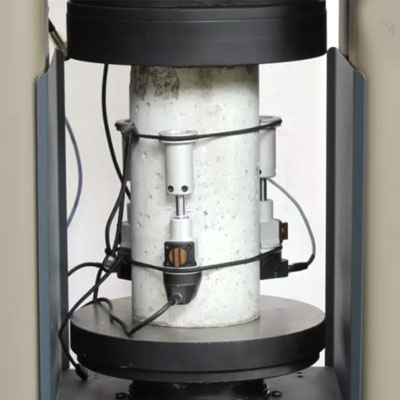
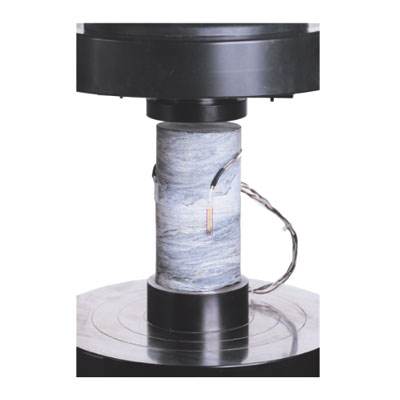
Compressometers are used to study the deformation behavior of soil specimens under controlled laboratory conditions. They provide a suitable mechanical arrangement for applying controlled loading and observing the resulting specimen response. This type of testing is useful when engineers need to understand soil compressibility and settlement characteristics. A well constructed compressometer should provide adequate rigidity, stable specimen positioning, smooth operation, and convenient observation of deformation. The equipment should also be compatible with the laboratory's testing procedures and supporting accessories. Reliable construction is particularly important for laboratories where equipment is used frequently for geotechnical investigation, construction quality control, research, and educational purposes.
Applications in Civil Engineering
MoE accessories and compressometers have applications across various civil engineering and geotechnical laboratory activities. They can support soil investigation associated with building foundations, roads, bridges, embankments, industrial structures, and other construction projects. Laboratory testing provides engineers with useful information about soil response that can be considered alongside field investigation data. These products can also be valuable for universities, research institutions, government laboratories, and private testing organizations. Selecting equipment according to the required testing procedures helps laboratories maintain an efficient workflow. Proper specimen preparation, equipment setup, testing methods, and result interpretation remain important factors in obtaining meaningful engineering information.
Soil Deformation and Compressibility Evaluation
Understanding soil deformation is important when assessing potential settlement and ground response beneath structures. Compressometers provide a controlled environment for observing how soil specimens respond to applied loading. The resulting observations can help engineers evaluate soil compressibility characteristics as part of a broader geotechnical assessment. Laboratory findings may be considered together with soil classification, field density, groundwater conditions, borehole information, and other site investigation results. Proper equipment alignment and specimen positioning are important for maintaining a suitable testing arrangement. MoE accessories can support these procedures by providing compatible components that help establish a stable and organized laboratory setup.
Durable Construction for Laboratory Use
Durability is an important factor when selecting MoE accessories and compressometers for regular laboratory operation. Testing equipment can experience repeated mechanical use, handling, specimen preparation activities, moisture, and exposure to laboratory dust. Robust construction helps equipment maintain its functional condition during continued operation. Components should be manufactured with suitable materials and proper finishing to support mechanical stability and resistance to normal laboratory wear. Moving parts should operate smoothly, while fixtures and supports should maintain secure positioning during testing. Regular cleaning, inspection, proper storage, and maintenance can further improve equipment service life and help laboratories reduce avoidable operational problems.
Measurement Reliability and Mechanical Stability
Reliable measurement is essential for laboratory soil testing. Compressometers should provide a stable mechanical structure that allows engineers to observe specimen deformation under controlled conditions. Proper alignment, secure specimen placement, rigid support, and suitable measurement arrangements all contribute to dependable testing procedures. Accessories must also fit correctly within the associated equipment to minimize unwanted movement or instability. Laboratory personnel should follow the applicable testing procedure and manufacturer recommendations during setup and operation. Routine inspection can help identify mechanical wear, loose components, or alignment problems before they affect testing. Good equipment design combined with proper laboratory practice supports consistent and repeatable testing activities.
Selection of MoE Accessories
Selecting appropriate MoE accessories requires careful consideration of the existing laboratory equipment and intended testing applications. Engineers should identify the required testing method and determine which supporting components are necessary. Compatibility with frames, loading systems, specimen holders, measuring devices, and other equipment should be verified before procurement. Material quality, mechanical strength, ease of installation, and maintenance requirements are also important considerations. Availability of replacement components can be useful for laboratories that depend on continuous testing services. Reviewing technical documentation and consulting an experienced supplier can help buyers select accessories that meet their specific laboratory requirements without unnecessary equipment complications.
Choosing a Suitable Compressometer
A suitable compressometer should match the laboratory's testing requirements and operating environment. Important considerations include mechanical rigidity, specimen positioning, loading arrangement, measurement compatibility, ease of operation, and overall construction quality. The equipment should allow technicians to prepare specimens and conduct tests efficiently while maintaining a stable testing arrangement. Clear technical documentation can help laboratory personnel understand proper installation, operation, inspection, and maintenance procedures. Buyers should also consider long term service requirements and the availability of technical support. Selecting a suitable compressometer based on actual laboratory needs can improve usability and contribute to an organized geotechnical testing environment.
Benefits for Geotechnical Investigation
Geotechnical investigations require dependable information about subsurface materials and their engineering behavior. Laboratory equipment such as compressometers can support the evaluation of soil response under controlled conditions. The information obtained through suitable laboratory procedures can contribute to foundation studies, earthwork planning, pavement projects, embankment assessment, and other engineering applications. MoE accessories can help complete the required testing arrangement and support efficient laboratory operation. Reliable equipment also assists laboratories in maintaining consistent procedures between different testing sessions. However, laboratory observations should always be interpreted by qualified engineers in the context of the complete site investigation and project requirements.
Easy Operation and Laboratory Workflow
Ease of operation is valuable in busy soil testing laboratories. Equipment that allows straightforward specimen placement, accessory installation, loading, observation, and cleaning can help technicians maintain an efficient workflow. MoE accessories should be practical to handle and properly matched with the associated testing system. Compressometers should provide a stable arrangement without unnecessary operational complexity. Clear procedures and proper technician training can further reduce setup errors and improve consistency. Laboratories can also benefit from maintaining equipment inspection and maintenance records. A well organized testing workflow supports productivity while helping technicians follow established laboratory practices throughout the testing process.
Maintenance of Compressometers and Accessories
Regular maintenance helps preserve the performance of compressometers and MoE accessories. Equipment should be inspected for mechanical wear, loose fittings, corrosion, alignment issues, and other visible problems. Components should be cleaned after use and stored in suitable conditions to protect them from unnecessary damage. Moving parts should be maintained according to the manufacturer's recommendations. Measurement arrangements should also be checked regularly to ensure they remain suitable for the intended testing procedure. Damaged or excessively worn components should be evaluated before further use. Proper maintenance records can help laboratories identify recurring issues and plan servicing or replacement activities before equipment performance is affected.
Use in Bangladesh Engineering Laboratories
Reliable soil testing equipment is important for engineering laboratories supporting construction and infrastructure development in Bangladesh. Laboratories working with building projects, industrial facilities, transportation infrastructure, and geotechnical investigations can benefit from suitable compressometers and supporting accessories. Local procurement can also provide practical advantages when technical assistance, replacement components, or product guidance are required. Buyers should evaluate equipment based on application requirements rather than selecting products solely by appearance or basic specifications. A knowledgeable supplier can help laboratories identify compatible equipment and accessories based on their existing testing systems and required laboratory procedures.
Supplier Support and Equipment Selection
Supplier support can be an important consideration when purchasing MoE accessories and compressometers. A professional supplier should provide clear product information and explain the intended application of the equipment. Technical assistance may be useful during equipment selection, installation, operation, and maintenance. Buyers should confirm compatibility before ordering accessories for an existing laboratory setup. Documentation can also help with equipment records, operator training, and maintenance planning. For laboratories in Bangladesh, responsive local support can make procurement and after sales service more convenient. Choosing a supplier with knowledge of civil engineering laboratory equipment can help organizations develop a practical and reliable testing setup.
MoE Accessories and Compressometers Price in Bangladesh
The MoE Accessories and Compressometers Price in Bangladesh can depend on equipment configuration, accessory requirements, construction quality, brand, technical specifications, supplier support, and other procurement factors. Laboratories should therefore evaluate the complete technical requirement instead of focusing only on purchasing cost. Compatibility with existing equipment, durability, ease of operation, maintenance requirements, and long term usability are important factors when selecting laboratory equipment. Buyers can consult experienced suppliers to identify suitable accessories and compressometer arrangements for their intended applications. A careful selection process helps ensure that the equipment provides practical value and supports reliable soil testing activities.