
Shotcrete Strength and Special Testing Equipment in Bangladesh
Shotcrete testing equipment provides engineers with reliable solutions for evaluating the mechanical performance and quality of sprayed concrete, making Shotcrete Strength and Special Testing Equipment in Bangladesh an important consideration for construction laboratories, contractors, consultants, researchers, and infrastructure organizations. Shotcrete is widely used in tunnels, slopes, retaining structures, underground construction, structural repair, and other demanding applications where concrete must provide reliable surface support. Specialized testing equipment helps engineers assess material performance under controlled laboratory conditions. Proper equipment can support strength evaluation, quality control, material development, and project verification while providing a stable and practical testing environment.
Importance of Shotcrete Strength Testing
Shotcrete strength is an important factor when evaluating its suitability for structural and ground support applications. Proper testing helps engineers understand how the sprayed concrete performs after placement and curing. Strength evaluation can provide useful information for quality control, material selection, mix development, and construction verification. Because shotcrete application involves spraying concrete onto a surface, its final properties can be influenced by material composition, application technique, substrate condition, compaction, curing, and environmental factors. Reliable testing equipment allows laboratories to examine the resulting material using controlled procedures. Test results can then be considered with project specifications and other engineering information.
Special Testing Equipment for Shotcrete
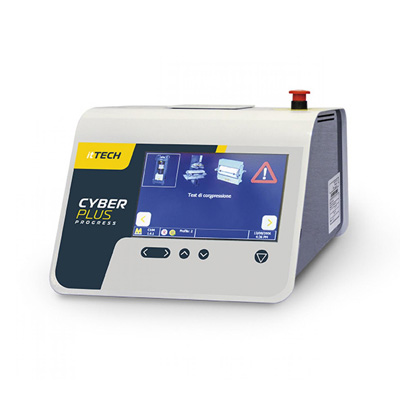
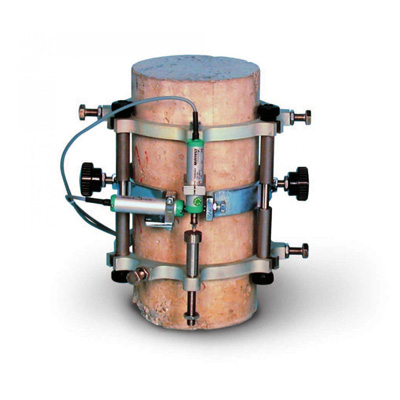
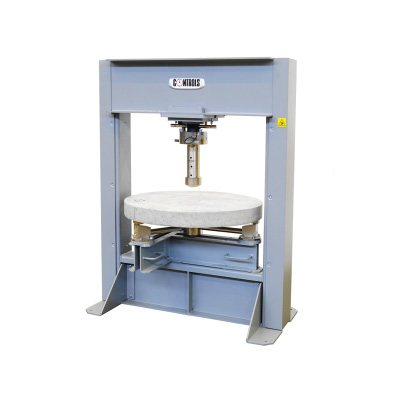
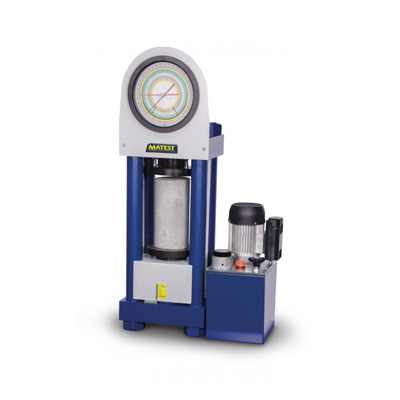
Special testing equipment is designed to address the particular requirements of shotcrete evaluation. Depending on the testing procedure, specialized systems may support specimen preparation, loading, strength assessment, deformation observation, or other performance evaluations. The equipment should provide stable operation and suitable specimen handling throughout the test. Robust construction is especially important because concrete testing environments can expose equipment to dust, moisture, mechanical loading, and repeated use. Professional laboratories should select equipment that matches their testing methods and existing laboratory systems. Proper compatibility between testing fixtures, loading arrangements, measurement devices, and specimens contributes to an efficient and organized testing process.
Shotcrete Testing for Tunnel Construction
Shotcrete is commonly used in tunnel construction as a protective and structural support material. Its performance can be important for maintaining surface stability and supporting excavation areas. Testing equipment helps engineers evaluate the quality and mechanical characteristics of shotcrete used in tunnel projects. Laboratory testing can provide useful information about material behavior and support construction quality control. Because tunnel environments can involve demanding geological and structural conditions, reliable material evaluation is particularly important. Suitable testing equipment enables engineers to perform controlled assessments and compare material performance with the technical requirements established for the project.
Shotcrete Testing for Slope Stabilization
Shotcrete is also used for slope stabilization and protection of exposed surfaces. In these applications, the material must maintain suitable adhesion, strength, durability, and resistance to environmental exposure. Testing equipment can help engineers evaluate shotcrete properties before or during project implementation. Laboratory results can support decisions about mix design, material selection, and construction quality. The testing process should consider specimen preparation and curing conditions so that the results are representative of the intended application. Properly selected testing equipment provides a controlled environment for evaluating the performance of shotcrete used in slope protection and related civil engineering applications.
Strength Evaluation of Sprayed Concrete
Strength evaluation helps determine how sprayed concrete responds to applied loading under controlled conditions. Depending on the applicable testing procedure, engineers may assess compressive behavior, tensile response, flexural performance, bonding characteristics, or other relevant properties. Specialized equipment provides the mechanical arrangement required to conduct these evaluations properly. Stable specimen positioning and controlled loading are important for obtaining useful observations. Engineers should follow recognized testing procedures and use suitable specimen preparation methods. Reliable equipment combined with appropriate laboratory practice can help produce consistent results that support material quality assessment and engineering decision making.
Quality Control for Shotcrete Applications
Quality control is essential when shotcrete is used in structural or ground support applications. Material properties can vary due to changes in mix design, aggregate characteristics, cementitious materials, fiber content, water addition, spraying technique, and curing conditions. Testing equipment allows laboratories to monitor relevant performance characteristics and identify variations. Regular evaluation can support better control of material production and application. Test results can also help engineers investigate unexpected performance issues. A well maintained testing system provides a dependable foundation for laboratory quality assurance and can contribute to more consistent construction practices.
Durable Construction for Testing Equipment
Durability is an important consideration for shotcrete testing equipment because laboratory environments can be demanding. Concrete dust, moisture, specimen handling, repeated loading, and frequent operation can place mechanical components under continuous stress. A robust testing frame and properly manufactured components can provide long term stability. Fixtures and supports should maintain secure positioning during testing. Surfaces and moving components should be suitable for regular laboratory use and maintenance. Durable equipment can reduce unnecessary interruptions and support consistent testing activities. Proper cleaning, inspection, lubrication where recommended, and appropriate storage can further protect the equipment from premature wear.
Precision and Testing Reliability
Reliable testing requires suitable equipment and controlled operating conditions. The testing machine should provide stable loading, accurate measurement, and secure specimen positioning according to the intended procedure. Unwanted movement, poor alignment, or unstable fixtures can affect the testing process and reduce confidence in the results. Measurement systems should be maintained and checked according to applicable laboratory requirements. Operators should also follow established procedures and manufacturer instructions. Regular inspection can identify worn components or mechanical problems before they affect testing. Combining reliable equipment with trained personnel and proper procedures helps laboratories maintain consistent and repeatable shotcrete testing practices.
Selection of Shotcrete Testing Equipment
Selecting suitable shotcrete testing equipment requires careful evaluation of the laboratory's requirements. Engineers should consider the types of shotcrete materials being tested, applicable testing methods, specimen characteristics, measurement requirements, testing frequency, and available laboratory space. Equipment compatibility is also important when integrating a new system with existing laboratory instruments. Buyers should assess frame rigidity, mechanical construction, ease of operation, maintenance requirements, technical documentation, and service support. A knowledgeable supplier can help identify an appropriate configuration based on the intended testing applications. Careful equipment selection helps prevent compatibility problems and supports efficient laboratory operation.
Applications in Civil Engineering Laboratories
Shotcrete strength and special testing equipment can be used in laboratories serving construction companies, engineering consultants, research organizations, universities, infrastructure agencies, and independent testing facilities. The equipment can support projects involving tunnels, slopes, retaining structures, underground works, structural rehabilitation, mining applications, and specialized concrete construction. Laboratories may use testing equipment for quality control, research, mix development, construction verification, and material performance studies. A properly equipped laboratory can provide valuable information for engineers working on demanding projects. Equipment should be selected according to the specific testing procedures and material characteristics relevant to each application.
Ease of Operation and Laboratory Workflow
Efficient laboratory equipment should be practical for trained technicians to operate. Convenient specimen preparation, stable positioning, straightforward loading, accessible controls, and clear measurement arrangements can improve the overall testing workflow. Equipment that is easy to maintain can also reduce unnecessary interruptions. Proper training is important because specialized shotcrete testing procedures require careful preparation and operation. Laboratories should maintain clear operating instructions and inspection routines. A well organized workflow helps technicians perform tests consistently and reduces the possibility of errors during specimen preparation or equipment setup. Good equipment design therefore contributes to both productivity and testing reliability.
Maintenance of Shotcrete Testing Equipment
Regular maintenance is essential for preserving the performance of shotcrete testing equipment. Testing frames, fixtures, supports, loading components, and measurement systems should be inspected for wear, corrosion, loose connections, or other mechanical issues. Concrete residue and dust should be removed after testing to prevent buildup around sensitive components. Moving parts should receive maintenance according to manufacturer recommendations. Measurement systems should be checked periodically to maintain suitable testing performance. Damaged components should be repaired or replaced before they affect laboratory operation. Proper maintenance records can help laboratories plan servicing and identify recurring equipment issues before they result in unexpected downtime.
Shotcrete Testing Applications in Bangladesh
Construction and infrastructure projects in Bangladesh can benefit from reliable shotcrete testing equipment for specialized concrete applications. Shotcrete may be relevant to tunnel development, slope protection, retaining structures, underground construction, structural repair, and other projects requiring sprayed concrete. Testing laboratories supporting these activities need equipment that can provide stable and dependable performance. Local availability of technical support can also simplify equipment installation, operation, maintenance, and servicing. Buyers should evaluate equipment according to their project requirements and laboratory capabilities. Professional technical guidance can help organizations select a suitable testing system for their specific shotcrete evaluation needs.
Supplier Support for Testing Equipment
Supplier support is an important consideration when procuring specialized shotcrete testing equipment. A professional supplier should provide clear technical information and explain the intended application of each system. Support may also be required during installation, commissioning, operator training, maintenance, and troubleshooting. Buyers should verify compatibility with existing laboratory equipment before procurement. Availability of replacement components and technical assistance can contribute to long term equipment usability. For organizations in Bangladesh, working with a supplier familiar with civil engineering laboratory applications can make equipment selection and service more practical. Proper documentation should also be maintained for equipment operation and laboratory quality management.
Shotcrete Strength and Special Testing Equipment in Bangladesh
The Shotcrete Strength and Special Testing Equipment in Bangladesh market includes specialized laboratory solutions designed for evaluating sprayed concrete performance and supporting construction quality control. Equipment selection should focus on technical suitability, mechanical stability, durability, measurement reliability, ease of operation, maintenance, and supplier support. Laboratories should identify the testing procedures they need before selecting a system. Consulting an experienced supplier can help engineers choose suitable equipment and accessories for their applications. A properly selected testing system can provide long term value by supporting reliable shotcrete evaluation, material development, quality assurance, and engineering research.
Reliable Solutions for Shotcrete Evaluation
Shotcrete strength and special testing equipment plays an important role in modern concrete quality assessment. Suitable equipment enables engineers to evaluate material performance under controlled laboratory conditions and supports better understanding of shotcrete behavior. Durable construction, stable operation, reliable measurement, proper specimen handling, and ease of maintenance are valuable characteristics for professional testing environments. Organizations searching for Shotcrete Strength and Special Testing Equipment in Bangladesh should consider their testing requirements, laboratory workflow, equipment compatibility, technical support, and long term operational needs. With appropriate equipment and sound engineering practices, laboratories can strengthen shotcrete quality control and support reliable decisions for demanding construction and infrastructure projects.