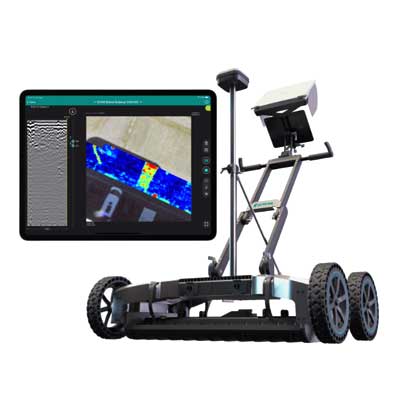
Ultrasonic NDT for Steel in Bangladesh

Ultrasonic NDT for Steel in Bangladesh

Ultrasonic NDT for Steel in Bangladesh

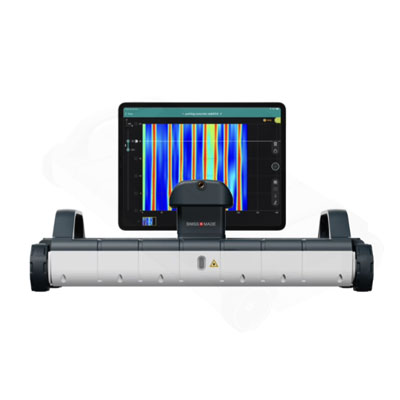
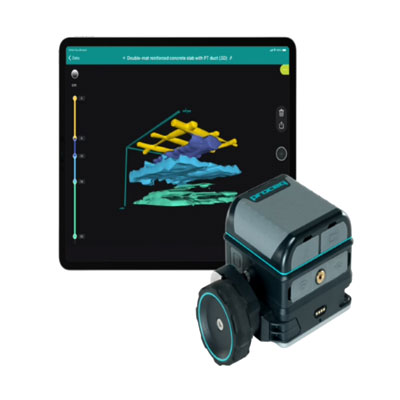
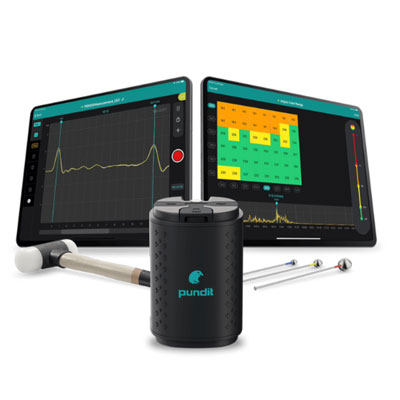
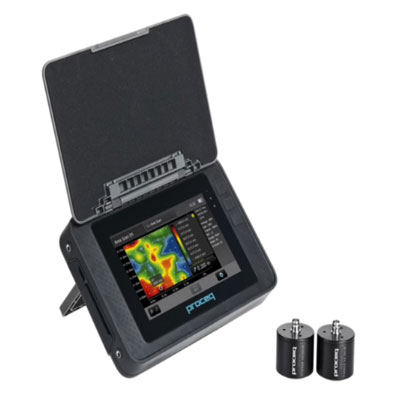
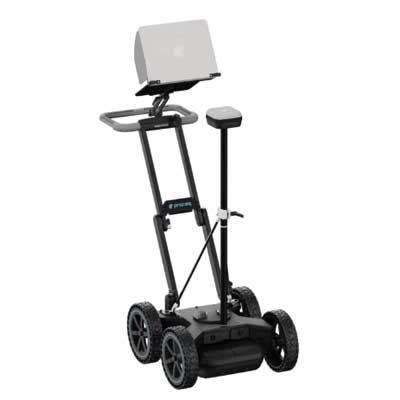
Ultrasonic NDT for Steel is a non-destructive testing method that uses high-frequency sound waves to inspect the internal quality and integrity of steel materials. It helps detect internal cracks, laminations, inclusions, welding defects, and thickness variations without damaging the material. This technology is widely used in steel manufacturing, structural inspection, fabrication, shipbuilding, power plants, and industrial maintenance.
  • Highlights
  • Features
  • Specification
  • Models
  • Standards

Ultrasonic NDT for Steel in Bangladesh

Ultrasonic Non-Destructive Testing (NDT) for Steel is an advanced inspection method used to evaluate the internal quality, integrity, and thickness of steel materials without causing damage. It uses high-frequency sound waves to detect internal defects such as cracks, inclusions, laminations, voids, and other discontinuities in steel components.

Ultrasonic testing (UT) is widely used for inspecting steel plates, pipes, structural steel, pressure vessels, welded joints, and industrial equipment. It helps identify hidden defects, assess material thickness, and support quality assurance in manufacturing, construction, fabrication, and maintenance operations.

QC LAB SOLUTION provides advanced NDT equipment and inspection solutions for steel testing and industrial applications in Bangladesh.
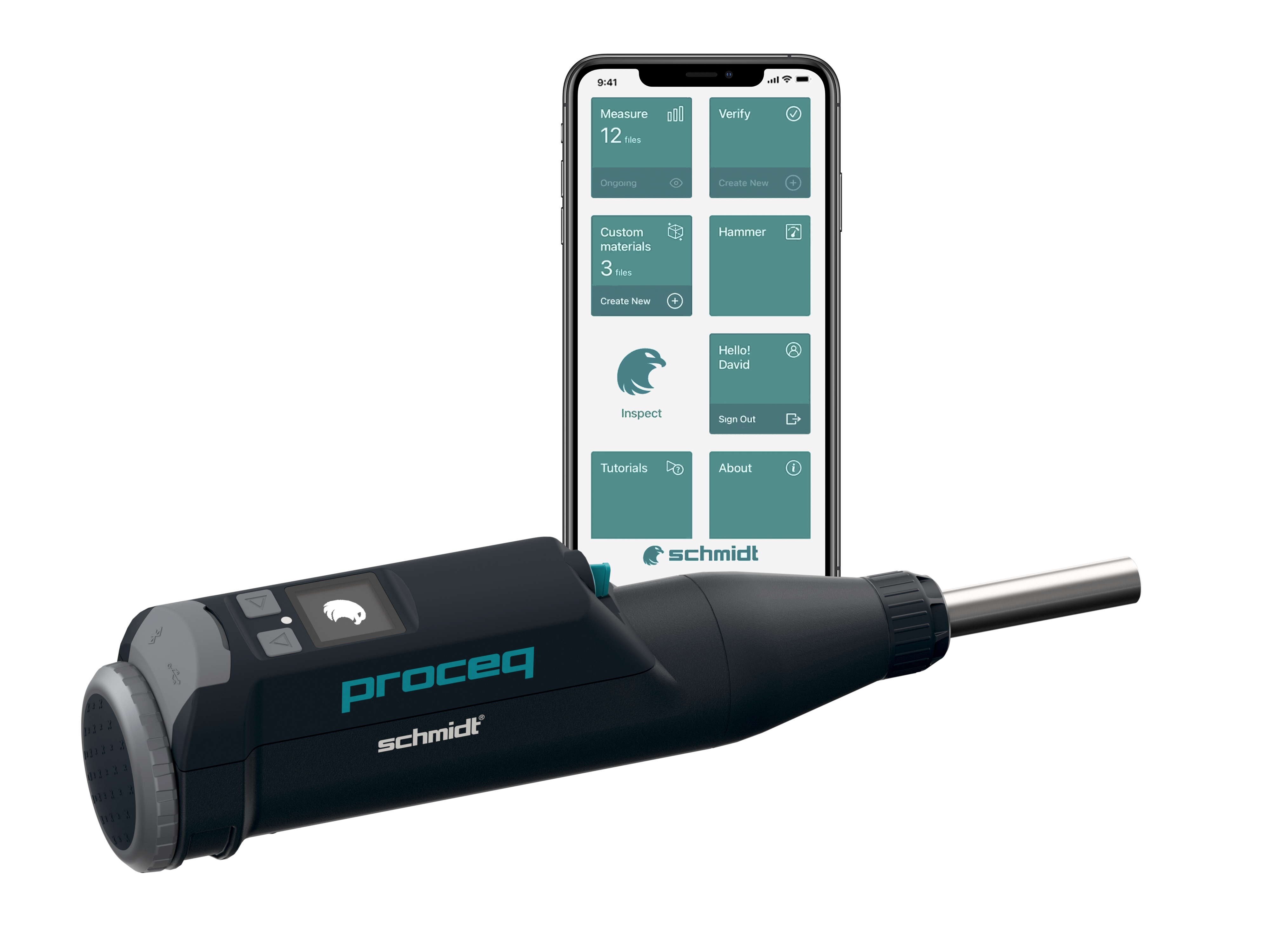
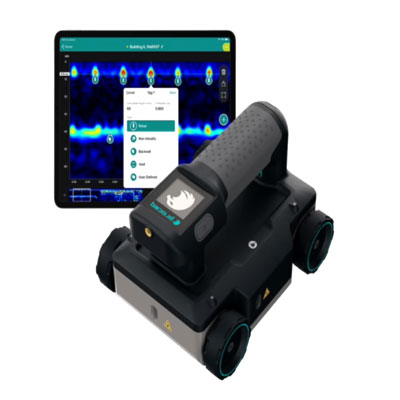
Key Features of Ultrasonic NDT for Steel

  • Internal Defect Detection: Identifies internal cracks, inclusions, laminations, and discontinuities.

  • Non-Destructive Inspection: Evaluates steel components without damaging the material.

  • Thickness Measurement: Measures steel thickness and monitors corrosion or material loss.

  • Weld Inspection: Detects and evaluates defects in welded steel joints.

  • Portable Testing: Supports on-site inspection of steel structures and industrial components.

  • Accurate Evaluation: Provides test data to support material quality assessment and inspection decisions.

  • Digital Reporting: Compatible models support data storage, waveform analysis, and inspection reporting.

Types of Ultrasonic Testing for Steel

Depending on the inspection requirements, different ultrasonic testing techniques can be used:

  • Conventional Ultrasonic Testing (UT): Detects internal discontinuities in steel components using straight-beam and angle-beam probes.

  • Ultrasonic Thickness Measurement: Measures steel thickness and identifies material loss caused by corrosion or erosion.

  • Weld Ultrasonic Testing: Examines welded joints for internal defects, including cracks, lack of fusion, and incomplete penetration.

  • Phased Array Ultrasonic Testing (PAUT): Uses multiple ultrasonic elements to generate and steer sound beams for advanced inspection and imaging.

  • Time of Flight Diffraction (TOFD): Uses diffracted ultrasonic signals to detect and size weld defects.

Standard

Description

ISO 17640:2018

Ultrasonic testing techniques, testing levels, and assessment of welds

ISO 11666:2018

Ultrasonic acceptance levels for welded joints

ISO 16810

General principles of ultrasonic testing

ISO 16811

Sensitivity and range setting for ultrasonic testing

ISO 23279

Characterization of discontinuities in welds

ASTM E164-24

Contact ultrasonic testing of weldments

ISO 9712

Qualification and certification of NDT personnel

Any question about the Ultrasonic NDT for Steel in Bangladesh ?

* indicates required fields


QC LAB SOLUTION

  Usually Replies Instantly!

Hello! How Can We Help You Today? Choose a question below to chat with us on WhatsApp.

Chat on WhatsApp

QC Lab Solution